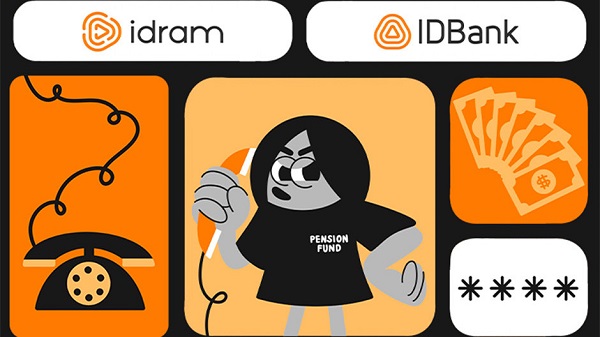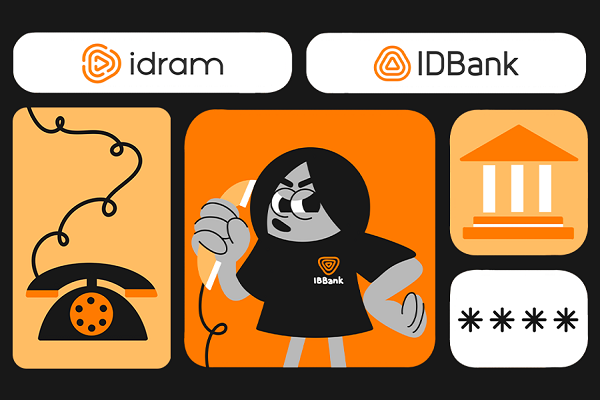
Despite the rapid spread of new technologies, fraudsters are not in a hurry to abandon a proven classic: ordinary phone calls allegedly “from the bank.” They introduce themselves as the “security department” and from the very first seconds of the conversation create a sense of emergency, claiming that something extraordinary has happened and that your money is already at risk.
This scheme is so effective because it relies on psychological manipulation refined over the years. Fraudsters do not need to hack the bank. What they need is to make you do something yourself that you would never do in a calm state.
The mechanics of the scam: from a call to loss of control
The call may come via mobile network or through a messenger app. Sometimes the screen even displays a familiar logo and name: IDBank, Idram, or any other bank or financial service. Then comes a confident, business-like, alarming message:
“We have detected suspicious activity on your account. To urgently cancel the transaction, please verify your identity. Provide the code sent to you via SMS.”
Other popular scenarios used by fraudsters include:
- “A loan is being issued in your name right now. To cancel the application, provide the code.”
- “Your card has just been blocked. To unblock it, confirm your details.”
- “Large withdrawals are currently being made from your accounts. To return the money, confirmation is required.”
The next step always comes down to extracting key information. You may be asked for your internet banking login and password, your card details and the three-digit code on the back, or your passport information. But the main target is always the same: SMS confirmation codes (OTP).
An important detail: abuse of trust and playing on stress
These calls are deliberately designed to unsettle a person. Anxiety makes you more compliant, and urgency deprives you of the opportunity to think. The fraudster pressures, rushes, frightens you, and does not allow you to “hang up and check.”
A separate trick involves “proof.” They may mention your name, your card number, or a place where you recently made a payment. Such data often ends up in criminals’ hands due to corporate data leaks at various points of sale or from databases circulating online.
The legal trap
A one-time SMS code serves as confirmation of a transaction. If you voluntarily provide it to a third party, the bank treats the action as authorized by the account holder. After that, cancelling a transfer or a payment for goods or services can be extremely difficult.
IDBank recommends:
- Never share your logins, passwords, PIN codes, SMS codes, or card details over the phone. A real bank will never ask for this information.
- If you are being frightened with “suspicious activity,” do not argue and do not explain anything. Hang up and call the bank yourself using the official number found on the bank’s website, mobile app, or on the back of your card.
- Do not trust the caller even if they know your personal details. This is not proof of legitimacy, but a typical consequence of data leaks.
- If you are being pressured, rushed, frightened, and forced to “confirm a transaction,” it is one hundred percent a scammer.
Remember: your funds remain safe until you personally grant access to them to third parties. Following simple rules and acting consciously is your reliable protection against fraud.
IDBANK IS SUPERVISED BY THE CBA